
Marketing has changed dramatically in the past decade. Traditional ads—TV spots, billboards, and radio campaigns—still have value, but they no longer command the same level of trust and attention from consumers. In their place, The Role of Influencer Marketing in Modern Business has risen as one of the most impactful strategies for modern businesses.
By partnering with influencers who have built credibility and loyal audiences, brands can connect with customers on a deeper, more authentic level. But what exactly makes influencer marketing so powerful, and why should businesses—big or small—prioritize it today?
What is Influencer Marketing?

Influencer marketing is a form of collaboration where businesses work with individuals who have a strong online presence and influence over their followers. These influencers promote products or services through authentic recommendations, personal stories, or creative content across platforms such as Instagram, TikTok, YouTube, and LinkedIn.
Unlike traditional advertising, which often feels generic and sales-driven, influencer marketing thrives on trust and relatability. Followers view influencers as peers or role models, making their opinions far more persuasive than corporate slogans.
Why The Role of Influencer Marketing in Modern Business Works
1. Builds Authentic Connections
Consumers today value authenticity above all. An influencer sharing a genuine experience with a product resonates more than a polished advertisement. It feels like a friend recommending something they love.
2. Targets Niche Audiences
From fitness enthusiasts to gaming communities, influencers cater to very specific niches. Brands can partner with influencers whose audience aligns perfectly with their target market, ensuring campaigns reach the right people.
3. Increases Engagement
Influencer content—especially videos and stories—often generates more likes, comments, and shares compared to traditional marketing. This engagement creates stronger brand visibility and deeper customer interaction.
4. Boosts Sales and Conversions
Studies show that consumers are more likely to purchase a product if it’s recommended by an influencer they trust. For businesses, this translates directly into increased revenue and a higher ROI.
5. Strengthens Brand Awareness
Influencers can introduce your brand to thousands (or even millions) of new potential customers. This exposure, especially across multiple platforms, expands your reach far beyond your existing audience.
The Rise of Micro- and Nano-Influencers
In the past, influencer marketing was dominated by celebrities and mega-influencers. Today, the trend has shifted toward micro-influencers (10k–100k followers) and nano-influencers (under 10k followers).
Why?
- They often have higher engagement rates.
- Their recommendations feel more genuine.
- They are more affordable for small and medium-sized businesses.
For example, a nano-influencer with 5,000 loyal followers might drive more meaningful conversions than a celebrity influencer with a million followers but lower trust levels.
Trends Shaping Influencer Marketing in 2025
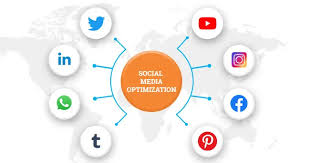
- Short-Form Video Content
Platforms like TikTok, Instagram Reels, and YouTube Shorts are dominating, making video collaborations a must. - Live Shopping Experiences
Influencers hosting live product demos and Q&A sessions create real-time trust and urgency. - AI-Powered Campaigns
AI tools help brands identify the right influencers, track ROI, and even co-create content. - Focus on Authenticity & Transparency
Audiences are quick to spot inauthentic promotions. Influencers who maintain transparency with their followers are more effective. - Cross-Platform Influence
Influencers are expanding beyond one channel—working across Instagram, TikTok, LinkedIn, podcasts, and even newsletters.
How Businesses Can Leverage Influencer Marketing
- Set Clear Goals – Define whether you want brand awareness, leads, or direct sales.
- Choose the Right Influencers – Align their niche and values with your brand.
- Collaborate Creatively – Give influencers freedom to craft content that feels natural.
- Track Performance – Use analytics to measure engagement, conversions, and ROI.
- Build Long-Term Partnerships – Consistent collaborations often outperform one-off campaigns.
Common Mistakes to Avoid
❌ Choosing influencers based only on follower count.
❌ Forcing scripted, unnatural promotions.
❌ Ignoring micro- and nano-influencers.
❌ Failing to measure campaign effectiveness.
❌ Overlooking legal requirements like disclosure and transparency.
Conclusion of The Role of Influencer Marketing in Modern Business
Influencer marketing is no longer just a trend—it’s a core strategy in modern business. By leveraging the trust and reach of influencers, brands can connect with audiences in ways that traditional ads cannot.
As we move deeper into 2025, influencer marketing will continue to evolve alongside technology and consumer behavior. Businesses that embrace authentic collaborations, focus on niche targeting, and adapt to new trends will not only stand out but thrive in the competitive digital marketplace